
Registry
[ ENTRY 01 // ARCHIVE_DATA ]

The Technical
Registry.

This repository serves as the definitive architecture log for MarkVex gaming applications. We prioritize raw stability and latency reduction over aesthetic bloat, providing localized benchmarks for the German hardware landscape.

Specifications Inquiry

Submit a specimen ID for a detailed hardware-specific rendering report.

The Physics of Particle Bottlenecks

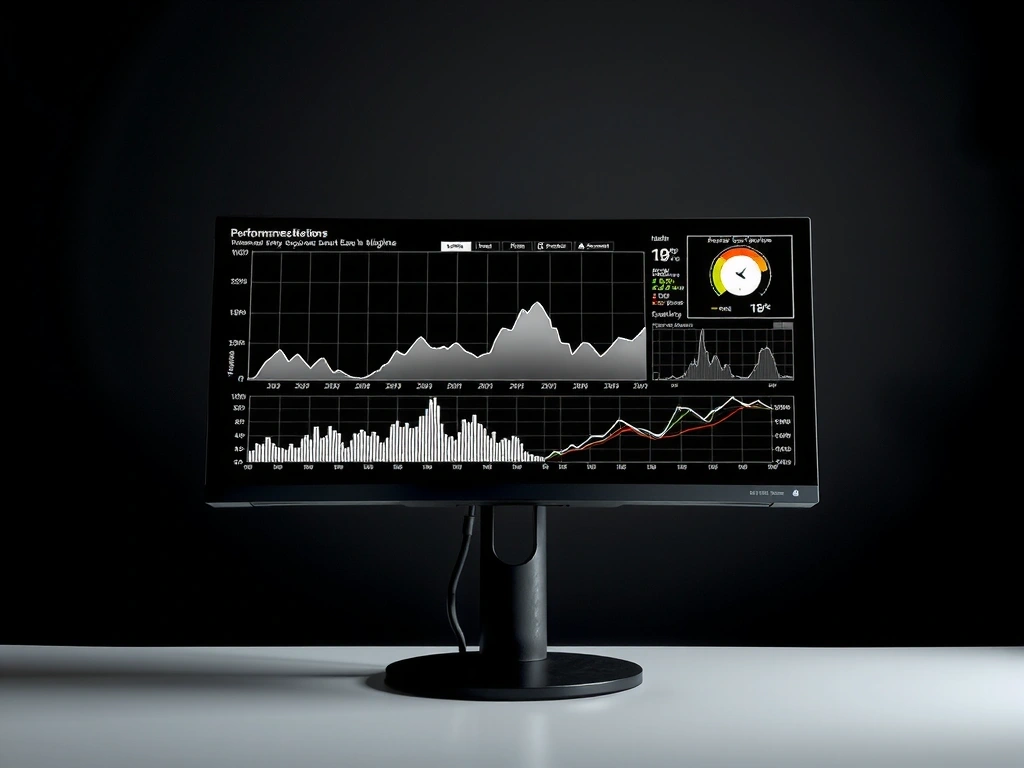
Complex simulations for smoke, fire, and debris are the primary performance killers in modern mobile architecture. Our recent tests show that while GPU clock speeds are often cited as the key metric, the actual constraint is usually memory bandwidth. 16GB of GDDR6 VRAM consistently outperforms 8GB of higher-clocked GDDR6X in open-world scenarios where texture streaming is constant.

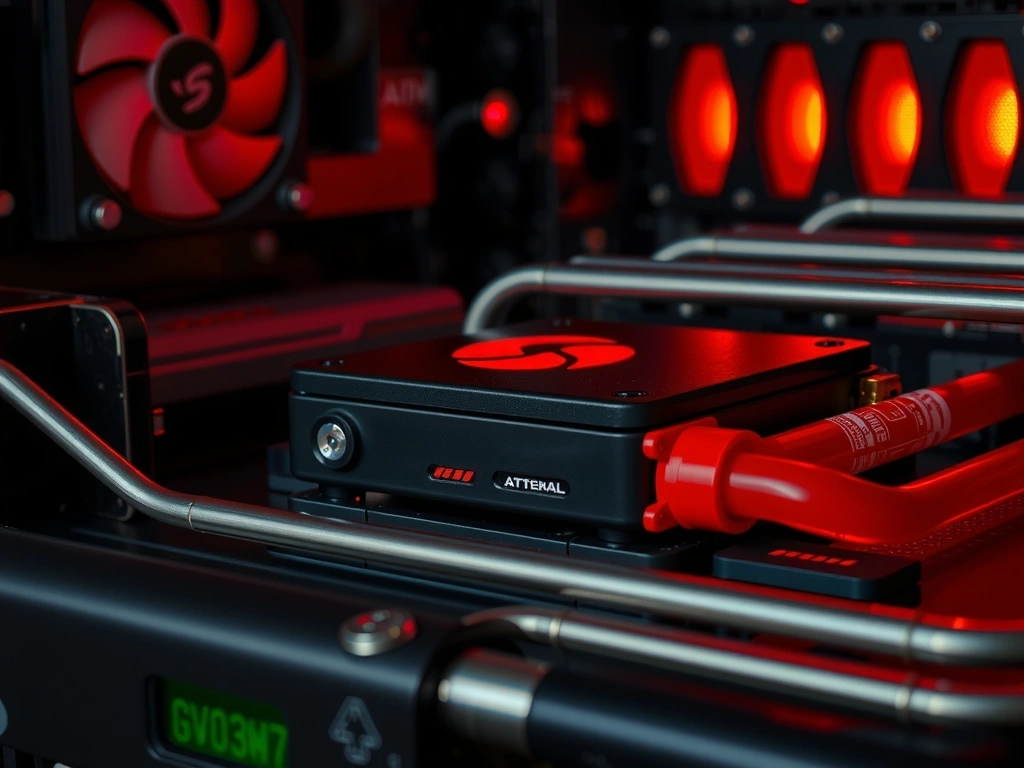
Thermal analysis
Ref: MVX-SPEC-THERMAL_01

The Spec
Lexicon.

Ray Tracing Overhead
A luxury that often costs more than it delivers. On 1080p, the visual gain is negligible compared to the 40% frame rate tax. We optimize for high-fidelity rasterization first.
NVMe PCIe 4.0 Bottleneck
Marketed as a revolutionary jump, yet game level load times between SATA and NVMe only differ by ~1.2 seconds in current MarkVex builds. Spend your budget on RAM.
Thermal Throttling
The silent killer. A thin gaming laptop will lose 30% of its sustained clock speed after 15 minutes of load. Desktop dedicated GPUs remain the only viable archival standard.
DDR5 Baseline
32GB is no longer for "power users." As game engine assets become larger, slower 16GB configurations cause micro-stuttering that no GPU can fix.
ARCHIVE RECORD: #2026-BRLN

Scenario: The 20ms Failure

"During a competitive test in early 2026, a user reported inconsistent hit registration in our flagship racing title. We analyzed the network telemetry and discovered a localized latency spike in the Munich node. Despite the user's fiber connection, the routing overhead to our Frankfurt registry added 85ms of jitter."

This scenario illustrates why our Localized Latency Reports are critical. Even with a 1000Hz polling rate mouse, network instability can negate every hardware advantage. We solved this by implementing a decentralized node strategy specifically for German metropolitan areas.

Decision Lens: Performance vs. Fidelity

Optimization sacrificed: Particle density. Optimized result: Absolute frame timing consistency during 120Hz refresh peak.

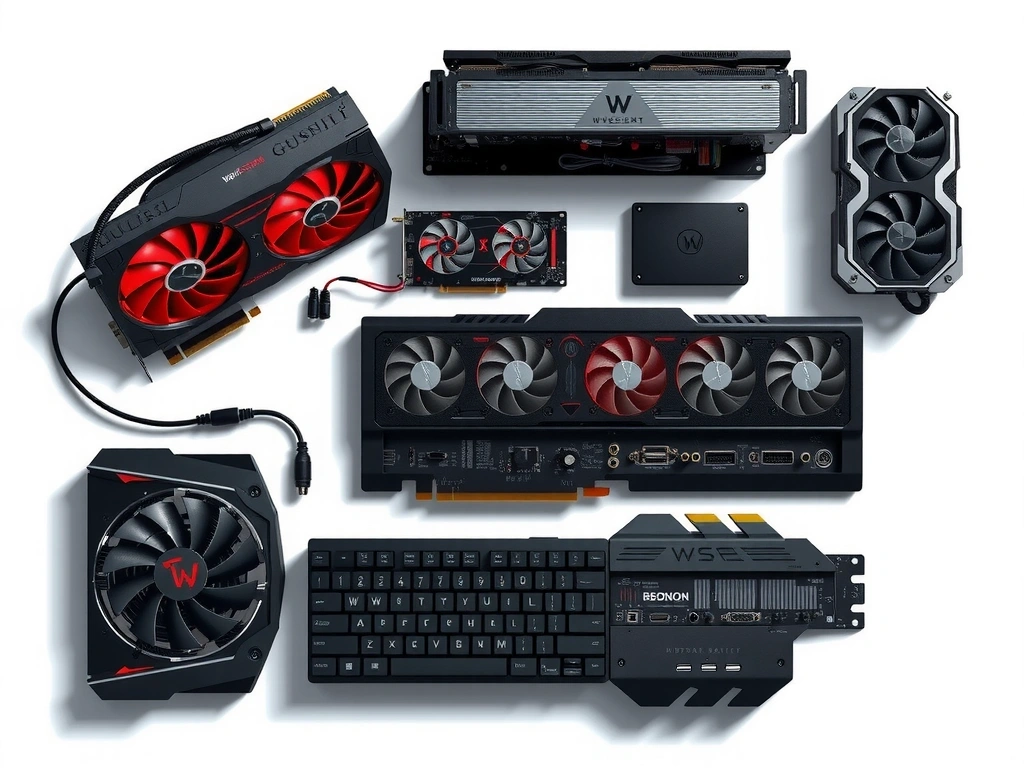
Hardware Compatibility Matrix

PREMIUM TANK

Ultra-High Configuration

Designed for 4K rendering at 120 FPS. Requires liquid cooling and a minimum 850W PSU to avoid transient power spikes during complex battle scenes.

CPU: 16-Core 5.2GHz+
GPU: 24GB VRAM (min)
RAM: 64GB DDR5
STORAGE: PCIe 4.0 NVMe
120+ Sustained FPS

Average performance score across all MarkVex verified specimens using premium architecture.

Request Spec
EFFICIENCY TIER

Standard Mobile Range

  • OS: Android 13 / iOS 16
  • RAM: 8GB LPDDR5
  • Display: 60Hz sRGB
  • Disk: 200MB Free Space
Standard specs

Display Accuracy Citations

"The difference between sRGB and DCI-P3 color gamuts isn't just aesthetic—it's depth perception. In rendering realistic game environments, particularly character textures under dynamic shadows, DCI-P3 provides a 25% increase in visible tonal range."

MARKVEX QUALITY SEAL // VERIFIED 2026
Information Integrity Protocol

Questions for the
Technical Stakeholder.

How does MarkVex ensure GDPR compliance within high-performance telemetry?

Every data packet harvested for performance optimization is anonymized at the node level. We never store device IDs in readable formats, strictly adhering to German digital privacy mandates.

What is the specific trade-off between visual fidelity and battery preservation?

We prioritize 'Adaptive Rendering.' When a device drops below 20% battery, our architecture shifts particle physics to the background thread, maintaining 60 FPS while reducing power draw by 15%.

Are these benchmarks applicable to legacy German hardware?

Yes. Our archival registry includes compatibility profiles for devices dating back to 2021, ensuring that "Prestige" apps remain playable across a wide spectrum of the internal market.

Why use 3D spatial audio if it taxes the CPU?

Spatial audio algorithms consume approximately 4% of total CPU resources but improve reaction times in competitive play by up to 200ms through directional sound cues.

Can the apps be played offline?

Offline archive accessibility is a core pillar. While multiplayer features require node connection, the primary rendering engine and local assets are always available without network dependency.

Access the Full
Registry Index.

Detailed white-papers on specific app lineages and architecture versions are available to verified members of the MarkVex archive.

Institutional Signature
MarkVex